
Your First Sealed Deck: A Guide From the League Tables
Forty cards, seventeen lands, two colors. How to turn a pile of packs into a deck that wins, in the order we'd build it, with examples from Reality Fracture.
By We Geek Together4 min read
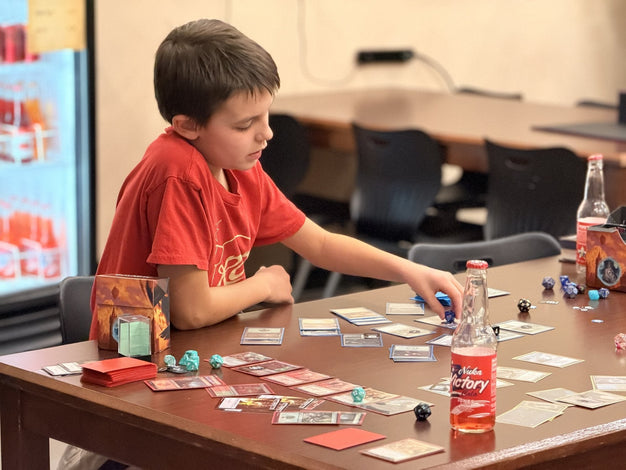
Sealed is the format where nobody shows up with a deck. You open your packs at the table and build from whatever's inside. Someone who learned to play last week gets the same shot as someone with twenty years of cards in the closet, which is most of why we run our leagues this way.
That photo is from our Reality Fracture sealed league in Sandy, partway through a three-player game. If you've never built a sealed deck before, this is the order we'd do it in. The examples are all Reality Fracture cards.
The numbers
- 40 cards. That's the minimum and you should play exactly 40. Card 41 just makes it harder to draw your good ones.
- 17 lands. Go to 16 if the deck is cheap and aggressive, 18 if it's heavy on six-drops.
- 23 spells. Around 15 of those should be creatures.
- Two colors. Occasionally two and a light splash, which we'll get to.
Everybody wants to shave a land or two to squeeze in more spells. We've all done it and it goes badly. You can't cast any of those spells from a two-land hand.
1. Sort the pool and cut the junk
Spread everything out by color. Multicolor cards, artifacts and lands get their own piles. Now go color by color and pull out anything you wouldn't actually want in a deck. This part stings a little, because some of your rares are going in the reject pile.
Count what's left. You need eleven or twelve real cards from each of your two colors, so a color with five great cards and nothing else isn't going to work as a main color. It might be a splash.
2. Count removal before anything else
Removal means a card that gets a creature off the table for good. Sealed games come down to creatures, and very often to one big one that the other player has no answer for. So before you fall in love with a color, count how much removal it has. Whichever color has the most usually ends up in the deck.
In Reality Fracture a lot of it is at common, so you'll probably open some. Surgical Precision is two mana to destroy a creature with toughness 4 or more, and if there's nothing that size around you can use it to draw a card instead. Memory Trap exiles any nonland permanent for as long as the Trap stays on the battlefield. Awaken the Inferno does 6 damage to a creature or planeswalker, which kills nearly anything. Terminal Criticism costs two but only hits blue or red creatures, so some games it'll rot in your hand. We'd still play it.
Reality Fracture removal in the binder
3. Look for creatures that can't be blocked easily
Sealed boards get stuck. Both sides build a wall of creatures, nobody can attack without losing something, and the game stalls. Whoever has a flyer wins that game. Shatterwing Pegasus is a common 2/3 flyer for three mana that nobody gets excited about opening, and it'll quietly deal ten or twelve damage over a game while everything on the ground stares at each other.
Menace and trample do a similar job. If one of your colors has both removal and a few of these, start building there.
4. Lay out the curve
Put your 23 spells in columns by mana cost. Most of them should cost two, three or four. A handful at five is fine. Keep the six-and-up cards to two or three, even if you opened more good ones than that. If the right side of the table is crowded, swap an expensive card for a cheap creature, even a boring one. Skipping your second and third turns puts you behind for the rest of the game.
Reality Fracture gives you a way to cheat on this a bit. A few of its expensive cards have basic landcycling: pay two, discard the card, and go get a basic land out of your library. Vinelasher Adept and Undulating Witness both have it. When you're short on lands they fix that, and when you're flooded they're a body. We play these every time.
5. Lands, and when to splash
Split your 17 lands roughly by how many cards you have in each color, then look at the mana symbols. If half your white cards cost double white, play nine or ten Plains even if white is the smaller half of the deck.
A splash is a third color for one or two cards that are too good to leave out, usually removal or a bomb rare. It needs support. Figure on three sources of that color for two splashed cards. Two-color lands count as sources, and so does Murmuring Volume, an artifact that taps for any color. Only splash cards with one colored symbol in the cost. If you don't have the sources, skip the splash. Two colors that work will beat three that don't.
Once you're playing
- The rest of your pool is your sideboard. You can change anything between games, including your colors. If flyers keep beating you, go find the cards in your pool that stop flyers.
- Sit on your removal. The first creature they play is rarely the one you need to kill. Wait for the one you can't beat in combat.
- Keep notes on your losses. In a league you have the same pool for weeks, so whatever beat you tonight is something you can fix before next week.
- In a three-player game, try not to look like the threat. The two other players will gang up on whoever's ahead. Build up, keep a blocker home, and let them burn their removal on each other first.
When the league's over
After a few weeks with one pool you'll know which colors you liked and which card you kept wishing you had more copies of. That's a pretty good starting point for a deck you keep. During the league you're stuck with what you opened, but afterward you can buy the three other copies. Most Reality Fracture singles in our binder are about a quarter each.
Reality Fracture singles in the binder
Leagues and prereleases are listed on the events page. Each league posts its own rules there, including pool size, how long it runs and how matches are scored.
Keep reading
All stories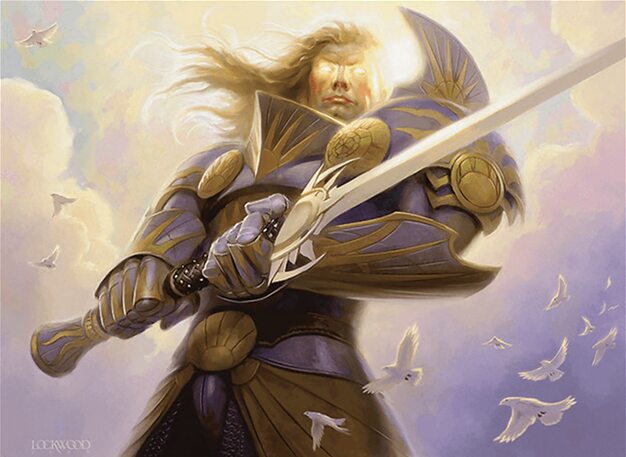 Best Cards
Eight Commander Staples for Pocket Change
Eight of the most-played cards in Commander that were sitting in our singles binder, most of them for under a dollar.
 New Release
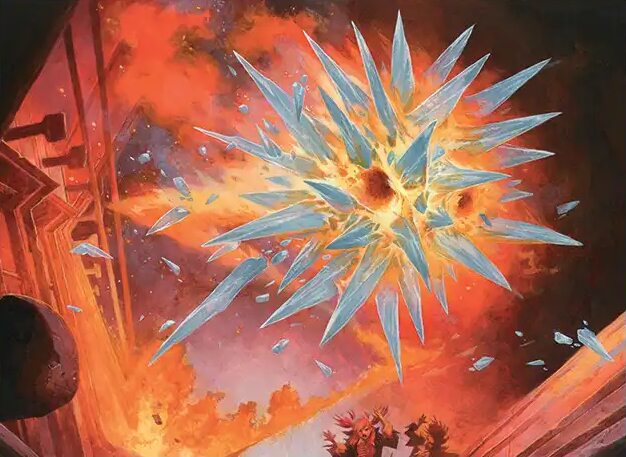
Reality Fracture: The Cards Worth Sleeving
Two new mechanics, a common that wants a whole deck to itself, and two frogs with no rules text. Our picks from the newest set.
 Commander
The 10-10-10 Rule: Build a Commander Deck That Works
Ten cards that make mana, ten that draw, ten that answer problems. Start there and the deck does its thing a lot more often.
The singles
Now flip through the whole binder.
1016 cards in stock. Search by name or filter by color, type, format and what the card does.
Browse the singlesMagic: The Gathering, its card images and mana symbols are trademarks and copyrights of Wizards of the Coast LLC. We Geek Together is an independent game store and is not affiliated with Wizards of the Coast.