
The 10-10-10 Rule: Build a Commander Deck That Works
Ten cards that make mana, ten that draw, ten that answer problems. Start there and the deck does its thing a lot more often.
By We Geek Together2 min read
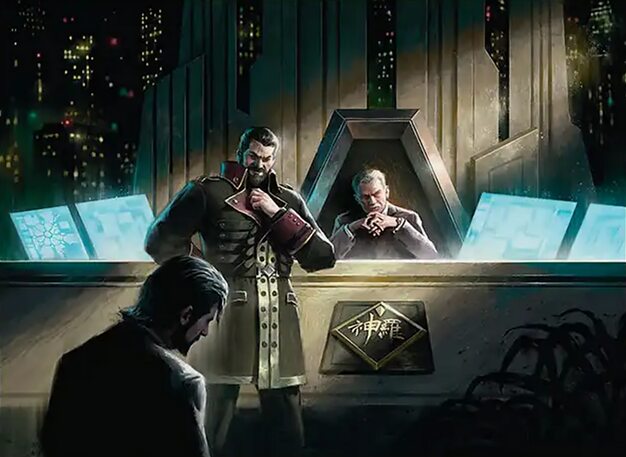
Here's a Commander game most of us have played. You keep a hand with three lands, you never draw a fourth, and you spend an hour watching three other people play Magic while your seven-mana commander sits in the command zone. Afterward you blame bad luck. Usually it was the decklist.
The fix is a rule of thumb that's been passed around Commander tables for years. Before you put in a single card for your deck's theme, put in ten cards that make mana, ten that draw cards and ten that deal with other people's stuff. Add lands. Whatever room is left is for the theme.
How the 100 cards break down
A Commander deck is exactly 100 cards including the commander. You get one copy of each card, basic lands excepted, and everything has to fit inside your commander's color identity. A reasonable starting split:
- 36 to 38 lands. People run fewer and regret it.
- 10 ramp cards, meaning anything that gets you extra mana.
- 10 card draw.
- 10 answers. Roughly seven that remove one thing and three that wipe the board.
- 1 commander, and about 30 cards for whatever the deck is actually about.
Thirty sounds low, and that's the bit people argue with. But some of your ramp, draw and removal can be on-theme too, so it's more than it looks. Treat the numbers as a first draft. If your commander draws cards itself, cut some draw. If it costs two mana, you need less ramp. Play five or six games before you change anything.
Ten that make mana
Ramp is anything that puts you ahead of one land a turn. That covers creatures that tap for mana, artifacts that do, and spells that go get extra lands. If your commander costs five and you cast it on turn three, you're two turns ahead of the table, and that's hard for them to catch up on. Stick to ramp that costs one or two mana wherever you can. A four-mana ramp spell comes down about when you wanted to be casting the commander.
Ramp in the binder, cheapest to cast first
Ten that draw cards
Four-player games run long, and at some point your board is going to get wiped. If your hand is empty when that happens, you're done for the night even though you're technically still in the game. Card draw is how you rebuild. Prefer things that draw every turn over things that draw once. That said, a plain "draw two" for three mana has never been a bad card to have.
Ten that answer problems
Someone will play a card that wins them the game if it sticks around. You want to be the person who can get rid of it. The best answers are cheap, work at instant speed and can hit more than one type of permanent. Chaos Warp is a good model. It costs three, it's an instant, and it'll remove any permanent on the table.
Spot removal runs out when three players each have a board full of creatures, so you also want a few wipes. Three is plenty for most decks. Try to pick ones that hurt you less than everyone else. Austere Command lets you choose what gets destroyed. Supreme Verdict can't be countered, which matters more than you'd think.
Shopping for your own deck
The rows above show every color. To narrow it to your deck, click through to the singles page, open the Color filter, turn on Fits my commander's colors and choose them. Then check Ramp, Card draw or Removal under What it does. Most of what comes up is under a dollar, so you can fill all thirty slots without spending much.
Still looking for a commander? These are all the cards in the binder that can be one.
Keep reading
All stories Reality Fracture
Your First Sealed Deck: A Guide From the League Tables
Forty cards, seventeen lands, two colors. How to turn a pile of packs into a deck that wins, in the order we'd build it, with examples from Reality Fracture.
 Best Cards
Eight Commander Staples for Pocket Change
Eight of the most-played cards in Commander that were sitting in our singles binder, most of them for under a dollar.
 New Release
Reality Fracture: The Cards Worth Sleeving
Two new mechanics, a common that wants a whole deck to itself, and two frogs with no rules text. Our picks from the newest set.
The singles
Now flip through the whole binder.
1016 cards in stock. Search by name or filter by color, type, format and what the card does.
Browse the singlesMagic: The Gathering, its card images and mana symbols are trademarks and copyrights of Wizards of the Coast LLC. We Geek Together is an independent game store and is not affiliated with Wizards of the Coast.